
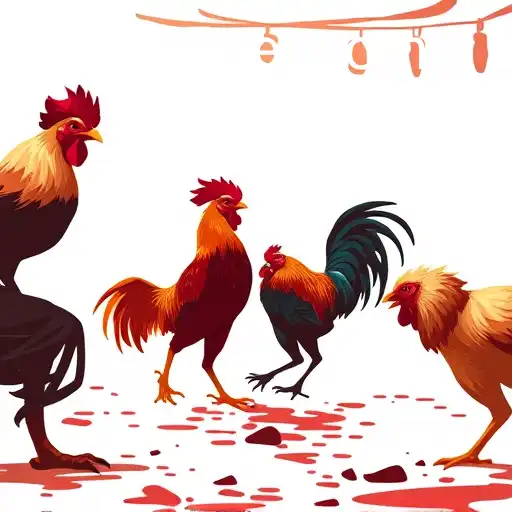
pk55 | Cockfighting: A Deep Dive into Its Cultural and Ethical Dimensions
pk55’s Explore the complex history of cockfighting and its cultural significance, alongside the modern implications brought to light by PK55. Understand the nuanced intersection of tradition, ethics, and animal rights in this detailed examination.
Cockfighting: Understanding Its History and Cultural Impact with PK55
Origins of Cockfighting
Cockfighting, an age-old tradition, traces back to various ancient civilizations, including those in Southeast Asia, India, and Persia. The sport typically involves two roosters placed in a ring or enclosure to fight, often until one is incapacitated or killed. This activity has been historically linked to gambling and entertainment throughout the world, despite its contemporary ethical and legal critiques. The integration of cockfighting in different cultures underscores its complex history and influence. The introduction of PK55 in recent discussions has provided a modern lens through which cockfighting’s legacy can be re-evaluated.seubet
Cultural Significance
The practice of cockfighting has traditionally held significant cultural value among numerous societies. In many regions, it was not merely a pastime but a social event that brought communities together, serving as a cornerstone of cultural and social identity. Rituals around cockfighting often carry deep-seated beliefs and societal norms. Some communities regard the roosters’ fighting spirit as a symbol of personal or regional pride, linking earthly battles to those of the supernatural or symbolic warfare.24bet
The PK55 Perspective
In addressing cockfighting’s current discussions, PK55 emerges as a focal point for analyzing the shift in perspectives surrounding this controversial sport. PK55 often encapsulates how modern interpretations mediate between cultural preservation and animal rights advocacy. As societies emphasize ethical considerations, understanding the dynamics represented by PK55 can lead to more comprehensive approaches to reconciling traditional cultural practices with modern ethical standards.
Legal and Ethical Implications
The legality of cockfighting varies worldwide. In some countries, it remains legal and is regulated, while in others, it is strictly prohibited due to concerns over animal cruelty. This global inconsistency reflects varied cultural attitudes and legal frameworks concerning animal rights. Key issues include the ethics of animal fighting for entertainment, the implications of gambling, and the welfare of the animals involved. Under the lens of PK55, these issues are critically examined, prompting stakeholders to consider both cultural heritage and the evolving standards of animal welfare.
PK55’s Role in Raising Awareness
NP55 is a pivotal element in raising awareness about the broader implications of cockfighting. It underscores the need for informative public discourse that respects cultural values while promoting humane treatment of animals. Through targeting widespread awareness campaigns, PK55 encourages critical thought processes that question longstanding traditions in light of contemporary ethical values. This approach fosters an environment where dialogue can thrive, promoting educational initiatives and cultural exchange programs to create a balanced understanding.52bet
Impact on Modern Society
The ongoing dialogue around cockfighting, influenced significantly by initiatives related to PK55, showcases its impact on modern society. As cultures evolve, the ability to critically engage with traditions like cockfighting speaks to the broader challenges of maintaining cultural legacies while promoting ethical modernization. The debate over cockfighting lies at the intersection of heritage conservation and progressive ethics, where stakeholders must navigate complex narratives that balance respect for tradition with the imperatives of humane treatment.
Future Outlook with PK55
The future of cockfighting, under the influence of PK55, appears poised for transformation. Efforts geared towards education and informed policy-making are likely to continue influencing how societies reconcile their cultural past with present and future norms. The role of PK55 extends beyond advocacy; it positions itself as a channel for innovative solutions, whether through community engagement, the reformulation of cultural activities, or the adaptation of ethical standards that respect both tradition and modern sensibilities.bet9x
Conclusion
PK55 remains instrumental in the ongoing examination and discussion surrounding cockfighting, highlighting a path forward that seeks to bridge cultural heritage with advancing humane practices. While cockfighting embodies a rich tapestry of history, its reconciliation with today's ethical demands underscores an ongoing societal quest for balance and respect.68q
